
TL;DR:
- Home care includes various options affecting cost and quality, from non-medical assistance to skilled health services. Families should assess medical needs, insurance coverage, and caregiver qualifications before selecting personalized, flexible in-home support. Understanding the distinctions between care types helps avoid coverage surprises and ensures the right level of support for aging loved ones.
When a parent or spouse starts needing daily help, most families discover quickly that "home care" is not one thing. It's a category with many options inside it, and the differences between those options affect cost, coverage, and quality of life in significant ways. Understanding the types of in-home elder care available to your family is the first real step toward making a confident decision. This guide breaks down every major care category, explains who qualifies for what, and gives you the tools to compare options without feeling overwhelmed.
Table of Contents
- Key Takeaways
- How to evaluate your in-home elder care options
- 1. Personal care assistance
- 2. Companionship services
- 3. Respite care
- 4. Homemaker services
- 5. Live-in care
- 6. Skilled nursing visits
- 7. Physical, occupational, and speech therapy at home
- 8. Medical social services
- 9. Comparing non-medical care vs. skilled home health care
- 10. In-home care vs. assisted living and nursing home options
- 11. How to choose the right type of care for your family
- My perspective on navigating in-home elder care choices
- Find the right care for your loved one with Olivia Home Care, LLC
- FAQ
Key Takeaways
| Point | Details |
|---|---|
| Two primary care categories | In-home elder care divides into non-medical personal care and skilled home health care, each with different providers and coverage. |
| Medicare has strict limits | Medicare covers skilled home health only when a physician orders it and the patient meets homebound status requirements. |
| Costs vary widely | The national median hourly rate for home caregivers is $34 in 2026, but full-time care can exceed $4,000 monthly. |
| Care plans need regular updates | A good care plan should be re-evaluated regularly to match changing health needs and avoid under- or over-care. |
| Medicaid can fill coverage gaps | PA Medicaid waivers may cover non-medical personal care that Medicare excludes, making them worth exploring early. |
How to evaluate your in-home elder care options
Before you compare specific care types, you need a clear picture of what your family member actually needs. Rushing to pick a provider without this step leads to mismatched care and wasted money.
Start by identifying the level of medical need. Does your loved one need wound care, medication management, or physical therapy? Or do they need help bathing, cooking, and getting dressed? These are very different needs, and they point to different types of providers.
Key criteria to assess before choosing care:
- Activities of daily living (ADLs): Bathing, dressing, eating, toileting, and mobility. Non-medical caregivers handle these.
- Medical needs: Injections, wound care, therapy, or monitoring. These require licensed clinical staff.
- Budget and insurance: Medicare, Medicaid, private insurance, and out-of-pocket all have different rules.
- Caregiver qualifications: Non-medical caregivers do not require degrees but must be trained in ADL support.
- Flexibility and continuity: How often does your loved one's schedule change? Do they need the same caregiver consistently?
- Location: Pennsylvania families should check whether a provider holds PA Medicaid approval and serves their specific county.
Pro Tip: Ask any provider you consider whether they have a written care plan process and how often they update it. Agencies that skip this step tend to deliver generic, one-size-fits-all care.
1. Personal care assistance
Personal care is the most common type of non-medical in-home elder care. A trained caregiver helps with bathing, grooming, dressing, meal preparation, and mobility support. No clinical license is required for this work, which keeps costs lower than skilled care.
This type of care works well for seniors who are physically limited but medically stable. It preserves independence at home without requiring a move to a facility. Personal care services can be scheduled for a few hours a day or expanded to full-time coverage depending on need.
One thing families often miss: personal care is not typically covered by Medicare. Medicaid may cover it through waiver programs, which is why checking PA Medicaid eligibility early matters.
2. Companionship services
Social isolation is a serious health risk for older adults, and companionship care directly addresses it. A companion caregiver provides conversation, engages the senior in activities, accompanies them to appointments, and offers consistent human connection.
This service does not involve hands-on personal care or medical tasks. It is often the right starting point for seniors who are largely independent but living alone and at risk of depression or cognitive decline.
Companionship care is typically the most affordable non-medical option. It can also be layered with personal care when a senior needs both social support and help with daily tasks.
3. Respite care
Family caregivers carry an enormous load, and burnout is real. Respite care gives primary caregivers a planned break by bringing in a professional to take over temporarily. This can range from a few hours per week to several days of coverage.
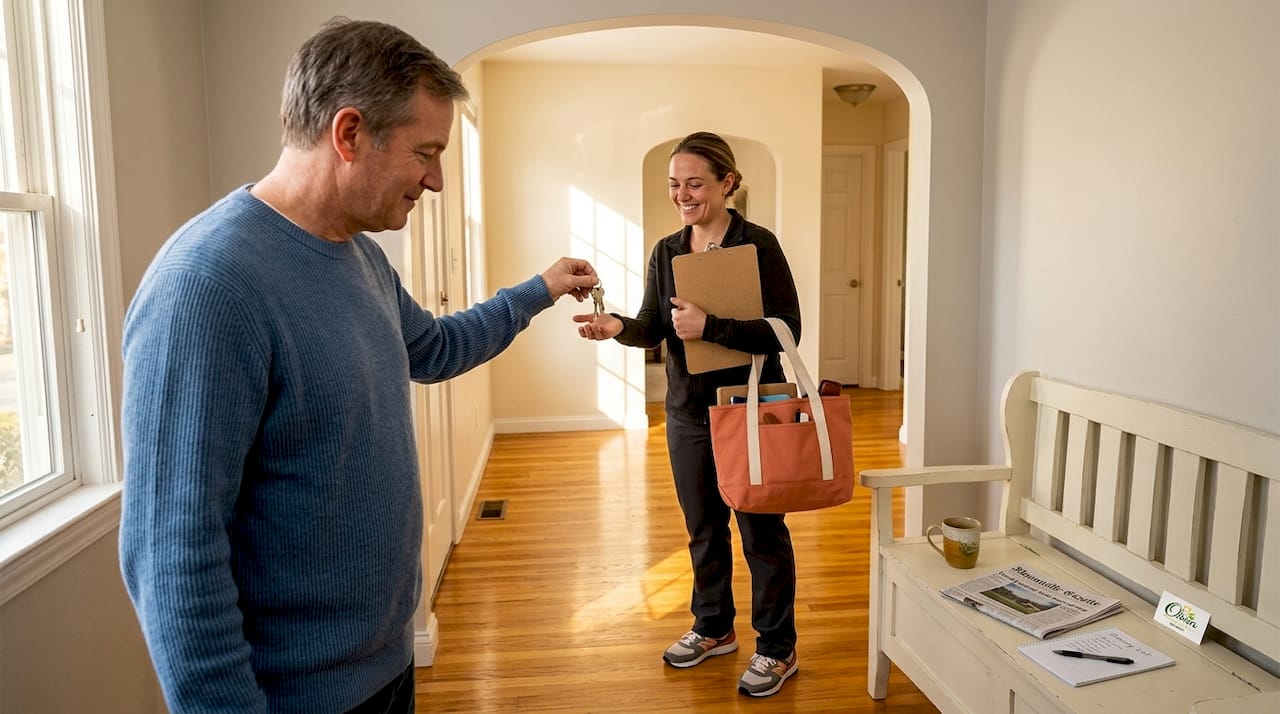
Respite care services benefit both the caregiver and the senior. The caregiver gets rest, and the senior receives consistent professional support during that time. Many PA Medicaid programs include respite as a covered service under waiver programs.
Families who plan respite care in advance tend to sustain caregiving longer without crisis. Waiting until a caregiver is exhausted before arranging respite usually leads to rushed decisions.
4. Homemaker services
Homemaker care focuses on the household itself rather than the person's body. Tasks include light housekeeping, laundry, grocery shopping, meal planning, and transportation to appointments or errands.
This type of care is often combined with personal care or companionship. A senior may not need help bathing but may no longer be able to drive or manage a full grocery run safely. Homemaker services fill that gap without requiring a higher level of care.
Like personal care, homemaker services are generally not covered by Medicare. Private pay and some Medicaid waiver programs are the primary funding sources.
5. Live-in care
Live-in care places a caregiver in the home around the clock. This is the most intensive form of non-medical in-home support and works well for seniors with significant daily needs who want to remain at home rather than move to a facility.
Live-in care offers continuity and personal freedom that shift-based facility care rarely matches. The same caregiver becomes familiar with the senior's routines, preferences, and personality. That consistency matters enormously for seniors with dementia or anxiety.
The cost is significant. 24/7 live-in care exceeds $18,000 per month nationally, though rates vary by region. Families weighing this option against assisted living or nursing home placement should compare total costs carefully.
6. Skilled nursing visits
Skilled nursing is the medical side of in-home elder care. A registered nurse or licensed practical nurse visits the home to provide clinical services: wound care, IV therapy, catheter management, medication administration, and health monitoring.
This type of care requires a physician's order and is distinct from personal care in both scope and cost. Medicare covers skilled home health when a doctor orders it and the patient qualifies as homebound. Coverage is typically short-term and tied to a specific medical need.
Skilled nursing visits do not replace personal care. A nurse may visit three times a week while a personal care aide comes daily for bathing and meal help. These services often run in parallel.
7. Physical, occupational, and speech therapy at home
Home-based therapy services help seniors recover from surgery, stroke, or injury without leaving their home. Physical therapists work on mobility and strength. Occupational therapists focus on daily living skills and home safety. Speech therapists address swallowing difficulties and communication problems.
Like skilled nursing, these services require a physician's referral and homebound status for Medicare coverage. They are time-limited and goal-oriented, designed to restore function rather than provide ongoing support.
Pro Tip: Before a hospital discharge, ask the discharge planner specifically whether your loved one qualifies for home-based therapy. Many families do not know to ask and miss this covered benefit.
8. Medical social services
Medical social workers can visit the home as part of a skilled home health plan. They help families identify community resources, navigate insurance, coordinate care transitions, and address emotional or psychological barriers to recovery.
This service is underused and underappreciated. A social worker can connect families with PA Medicaid waiver programs, local support groups, and financial assistance options that most families would not find on their own.
Medical social services are covered by Medicare when they are part of a qualifying skilled home health episode. They do not require a separate referral beyond the home health order.
9. Comparing non-medical care vs. skilled home health care
Understanding the differences between these two major categories helps families avoid coverage surprises and plan finances accurately.
| Feature | Non-medical personal care | Skilled home health care |
|---|---|---|
| Services provided | ADLs, companionship, homemaking | Nursing, therapy, wound care |
| Provider credentials | Trained aides, no degree required | Licensed nurses and therapists |
| Medicare coverage | Generally not covered | Covered with physician order and homebound status |
| Medicaid coverage | Often covered through waivers | Covered in many states |
| Typical cost (hourly) | $20 to $30 per hour | $35 to $65 per hour |
| Care duration | Ongoing, long-term | Short-term, goal-based |
Nearly 1 in 3 families spend more than they anticipated on home care because they assumed Medicare would cover more than it does. Understanding these distinctions before you commit to a plan protects your family from that outcome.
Understanding insurance eligibility for skilled versus non-medical care is one of the most important steps in financial planning for elder care. Get clarity on this before signing any service agreement.
10. In-home care vs. assisted living and nursing home options
Some families arrive at in-home care after ruling out residential options. Others consider all three simultaneously. Here is what the comparison actually looks like in practice.
In-home care keeps the senior in a familiar environment, which has measurable benefits for cognitive health and emotional well-being. It also allows fully customized schedules. Standard home care at 30 hours per week costs roughly $42,000 per year, which is often less than assisted living in the same region.
Assisted living provides 24-hour supervision, meals, and social programming in a facility setting. It suits seniors who need more oversight than part-time home care provides but do not need full nursing home-level medical care. Nursing homes are appropriate for seniors with complex, ongoing medical needs requiring round-the-clock clinical attention.
The home care vs. assisted living decision often comes down to how many hours of daily support a person needs and whether family members can supplement professional care. When daily support needs exceed 40 to 50 hours per week, the cost comparison often shifts toward residential care.
11. How to choose the right type of care for your family
Follow these steps to move from confusion to a clear decision:
- Assess current needs. List every daily task your loved one struggles with and whether those tasks are medical or non-medical in nature.
- Check insurance coverage. Contact Medicare, Medicaid, and any private insurer to clarify what each will cover. Review payment and coverage options specific to your situation.
- Research provider quality. The CMS Care Compare website rates home health agencies on quality and patient experience. Use it before hiring any skilled care provider.
- Interview multiple agencies. Ask about caregiver training, backup coverage when a caregiver is sick, and how care plans are updated over time.
- Watch for red flags. High staff turnover, vague answers about licensing, and no written care plan process are warning signs. High-quality providers adapt to individual routines rather than enforcing rigid schedules.
- Plan for change. A care plan that fits today may not fit in six months. Build in a regular review process from the start.
Pro Tip: Ask every provider you interview: "What happens if our assigned caregiver calls in sick?" The answer tells you a great deal about how the agency is actually run.
My perspective on navigating in-home elder care choices
I've worked with enough families in Lancaster, York, Chester, and Berks Counties to know that the hardest part of this process is not finding care. It's knowing what to ask for.
Most families come to me thinking they need to choose between "a little help" and "a nursing home." In my experience, the reality is far more flexible than that. The types of in-home elder care available today allow families to build exactly the right level of support, piece by piece, and adjust it as needs change.
What I've seen trip families up most often is the Medicare misconception. People assume it covers ongoing home care. It does not, and discovering that mid-crisis is painful. Start the insurance conversation early, before a hospitalization forces the issue.
I also believe strongly in the value of local, Medicaid-approved agencies. They know the waiver programs, they understand the county-level resources, and they tend to have accountability that larger national staffing companies do not. Advocacy matters in this process. The families who ask the most questions consistently get the best care.
— Olivia
Find the right care for your loved one with Olivia Home Care, LLC
Olivia Home Care, LLC provides personalized non-medical in-home care for seniors and individuals with disabilities across Lancaster, York, Chester, and Berks Counties in Pennsylvania. Services include personal care, companionship, respite care, and homemaker support, all built around each client's specific needs and schedule.
As a Medicaid-approved agency (DHS MA ID 104627311 0001), Olivia Home Care accepts PA Medicaid and various insurance plans, making quality care accessible to more families. Explore payment and coverage options to understand what your plan may cover. You can also view the full range of available services or call 717-537-7110 to schedule a free assessment. Caregiver positions are also open for qualified applicants who want to make a real difference.
Compassion in our hearts. Excellence in our care. Dignity in every moment.
FAQ
What are the main types of in-home elder care?
In-home elder care divides into two primary categories: non-medical personal care (bathing, companionship, meal prep, homemaking) and skilled home health care (nursing visits, therapy, wound care). Many seniors receive services from both categories at the same time.
Does Medicare cover in-home personal care?
Medicare generally does not cover long-term non-medical personal care. It covers skilled home health care only when a physician orders it and the patient meets homebound status requirements. Medicaid waiver programs often fill this gap for eligible individuals.
How much does in-home elder care cost in 2026?
The national median hourly rate for a home caregiver is $34 in 2026, with rates ranging from $25 to $44 depending on location. Full-time care typically runs $4,000 to $5,000 or more per month, and 24/7 live-in care can exceed $18,000 monthly.
How do I choose between in-home care and assisted living?
The decision depends on how many hours of daily support your loved one needs and whether family members can supplement professional care. In-home care is often more affordable for part-time needs, while assisted living may be more practical when supervision is needed around the clock.
How do I verify the quality of a home care agency?
For skilled home health agencies, use the CMS Care Compare website, which publishes star ratings updated quarterly. For non-medical agencies, ask about staff training, caregiver turnover rates, and whether the agency provides written, individualized care plans.